


MANURE'S VALUE AS A FERTILIZER ONLY MATTERS IF YOU CAN GET IT INTO THE FIELD.
Your pit stopped working.
You're seeing crust, foam, solids, odor, or flies. Five problems. One cause.
Restart the biological process.
PitCharger uses bacteria and enzymes selected for the specific condition being treated.
How PitCharger restarts a stalled pitLiquefied. Since 1998.
Since 1998, PitCharger products have been used by producers in 45 states, Puerto Rico, and three countries. Every program starts with a conversation about your operation and the problem you're dealing with.
Five symptoms. One stalled process.
Manure pits and lagoons decompose naturally, but confinement conditions stall the process. The bacteria that digest cellulose fiber collapse, fiber accumulates as crust and hardpan, and gas stops releasing steadily. Crust, foam, odor, flies, and lost capacity are all the same failure showing up in five places.
At the surface
Crust and foam
Undigested cellulose fiber floats and mats into a crust that seals gas underneath. In hog barns that trapped gas becomes foam, and foam concentrates methane at explosive levels a few feet under the floor.
In the air
Odor and flies
Hydrogen sulfide and ammonia build under the crust and release in slugs at agitation. The same crust is a warm, moist, undisturbed breeding deck that produces flies faster than any spray program kills them.
On the bottom
Lost capacity
The fraction that sinks compacts into hardpan that behaves more like soil than manure. It takes storage you paid to build, adds agitation hours, and locks up nutrients that never reach a field.

Under the slats
Compacted solids, coming back into suspension.
How does the treatment restart a stalled pit?
PitCharger helps restore biological activity in manure pits and lagoons when the existing system is no longer breaking down material effectively. Depending on the problem, treatment may use bacteria, enzymes, or other specific modes of action to help break down solids, crust, and other material that interferes with manure handling and storage.
The secondary effect matters as much as the first. As bacteria work, they convert organic nitrogen into plant-available ammonium nitrogen. More of the nitrogen you already paid for in feed reaches the crop in the season you spread it, which is why a treated pit is worth more per gallon than an untreated one.
Most producers should notice a difference within the first month, with continued improvement through the second and third months. Significant results are normally measured after about six months. Odor can respond much faster, often within the first week.
Read how treatment works, and what to expect when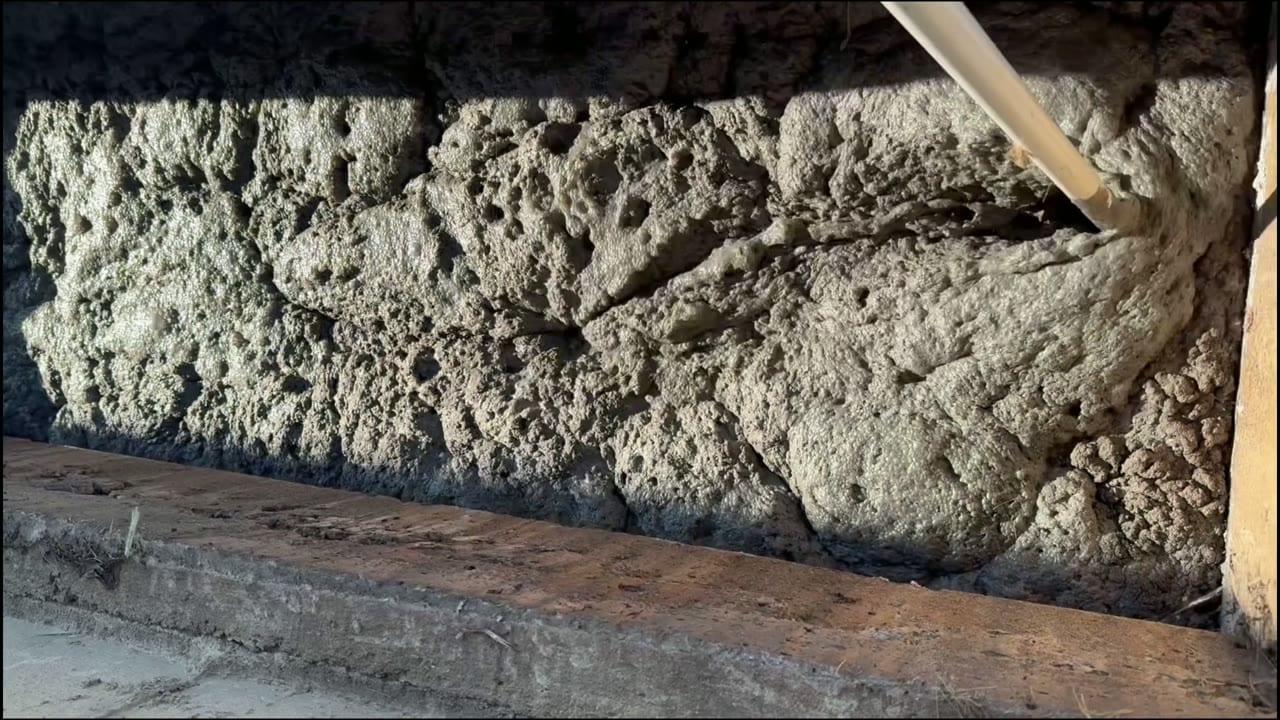
What changes, and when
First week
When it comes to odor, producers can often notice a significant change within the first week. Some producers have noticed a substantial change within the first 24 hours.
First month
Most producers should notice a difference within the first month, and odor keeps improving through the second and third weeks.
Months 2 and 3
Continued improvement. Crust weakens and moves back into the manure, and solids become easier to suspend during agitation and pumping. In a deep pit, much of this change happens below the surface before it is easy to see.
About 6 months
Significant results are normally measured after about six months. This refers to broader changes in the manure system, not odor reduction.

Where it ends up
The nitrogen you already paid for, reaching the crop.
Manure applied to cropland. Once bacteria have converted organic nitrogen to ammonium, it is available to the crop in the season you spread it — rather than mineralizing slowly over years you have already fertilized around.
What are you running?
The mechanism is the same everywhere. The structure, the dosing, and the problem that brought you here are not.
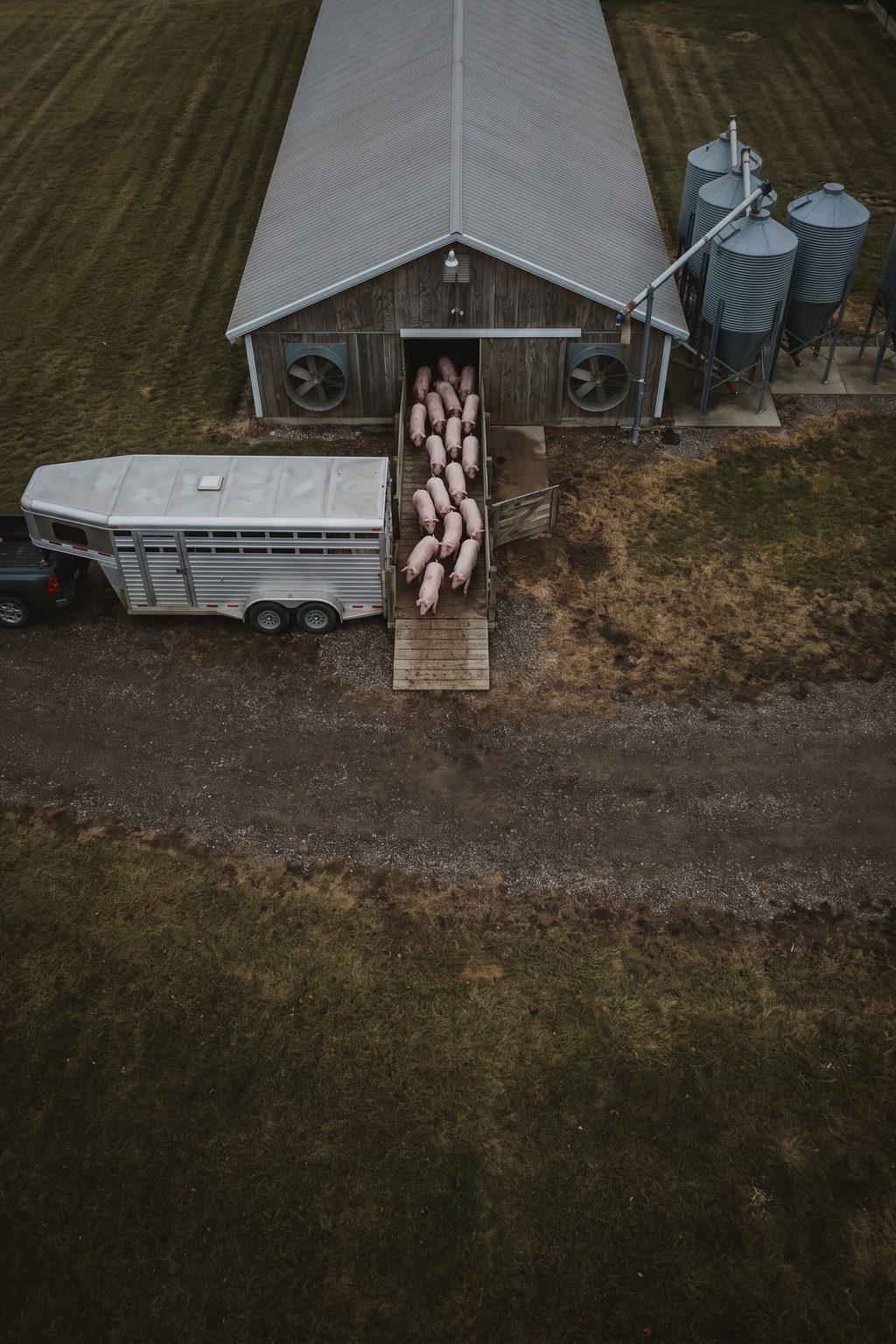
Hog Operations
Deep pit, pull plug, gestation through finishing. Foam and the flash fire hazard.
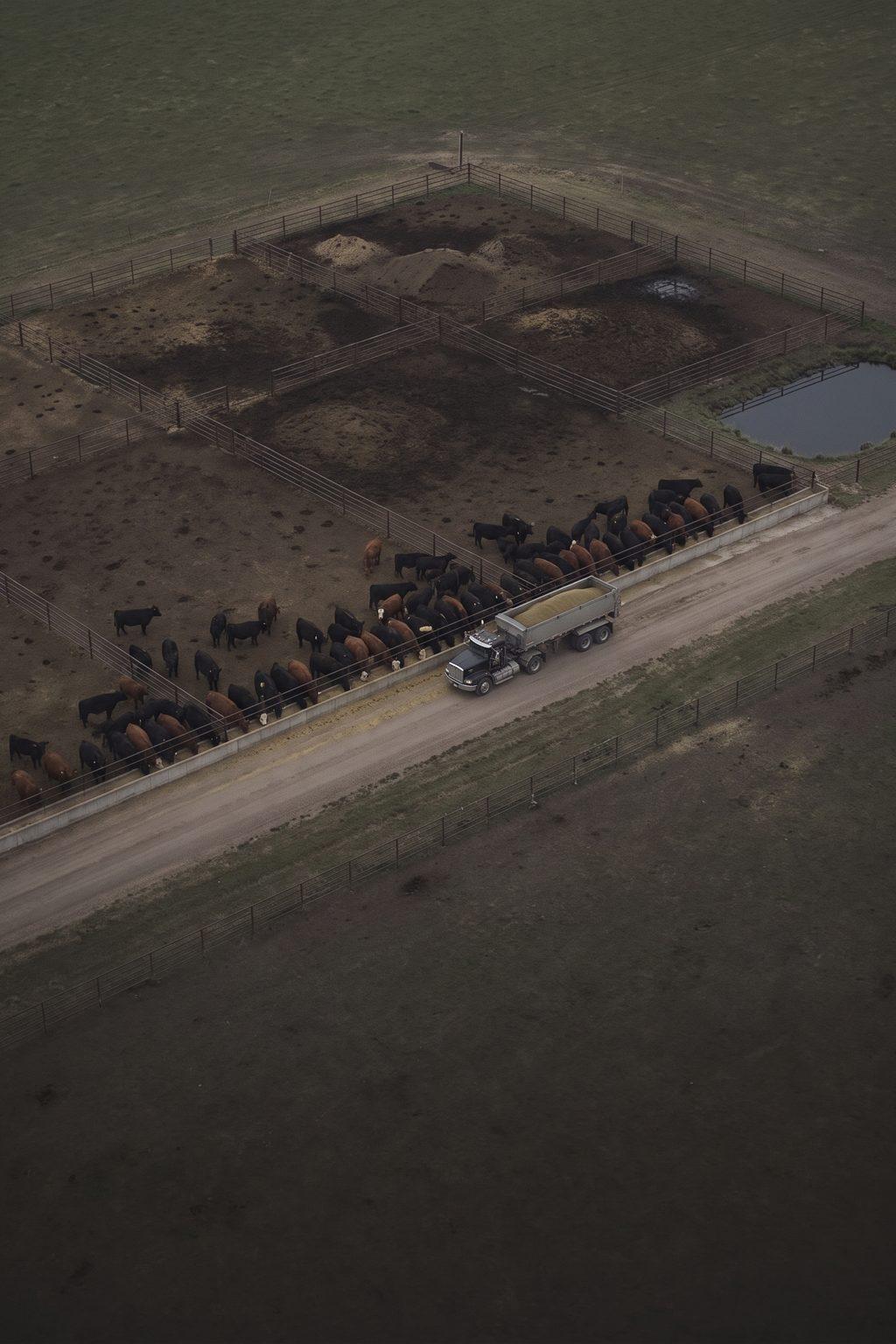
Cattle Barns
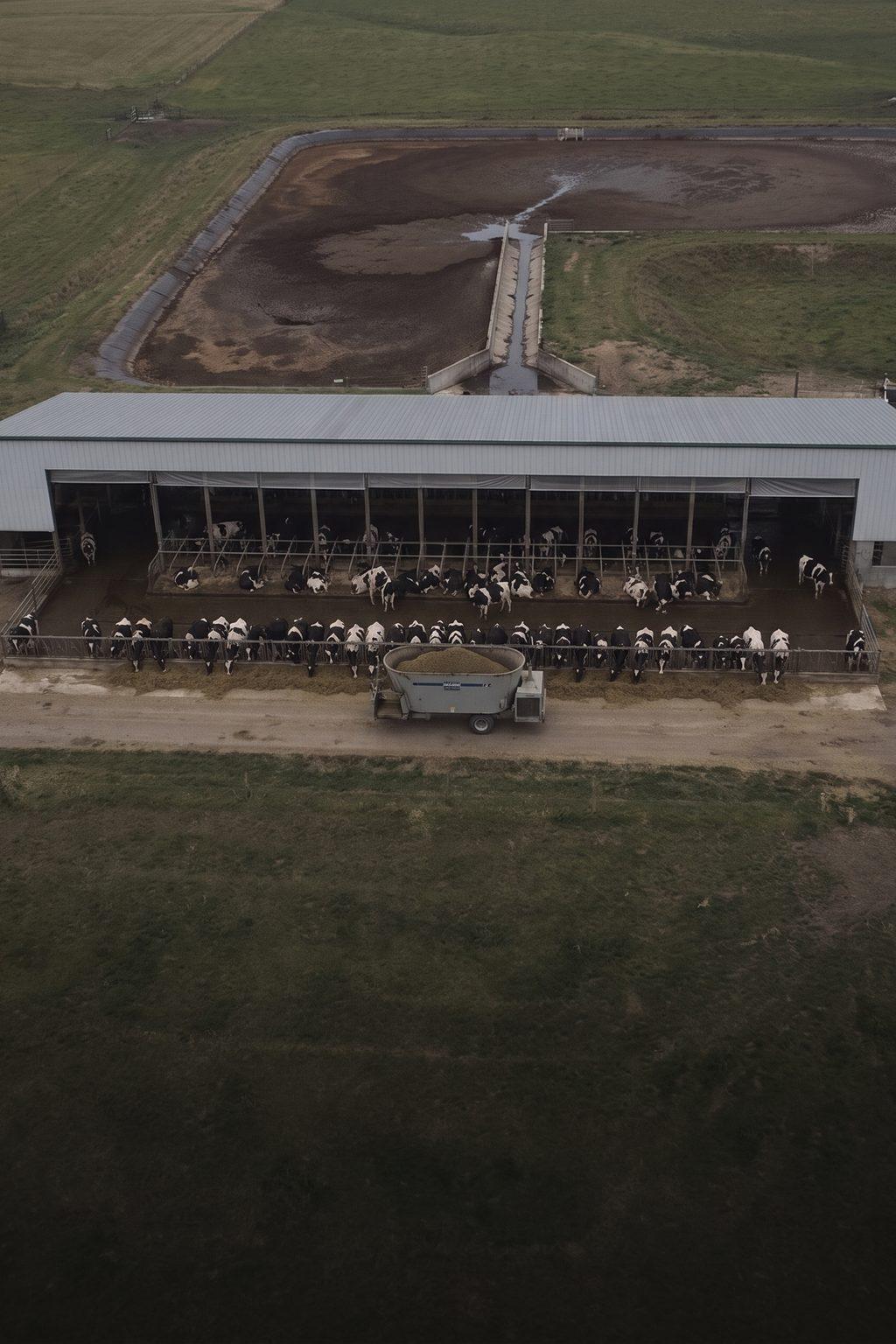
Feedlots and beef barns. Pens, pits, pumping stations, fly pressure and crust.
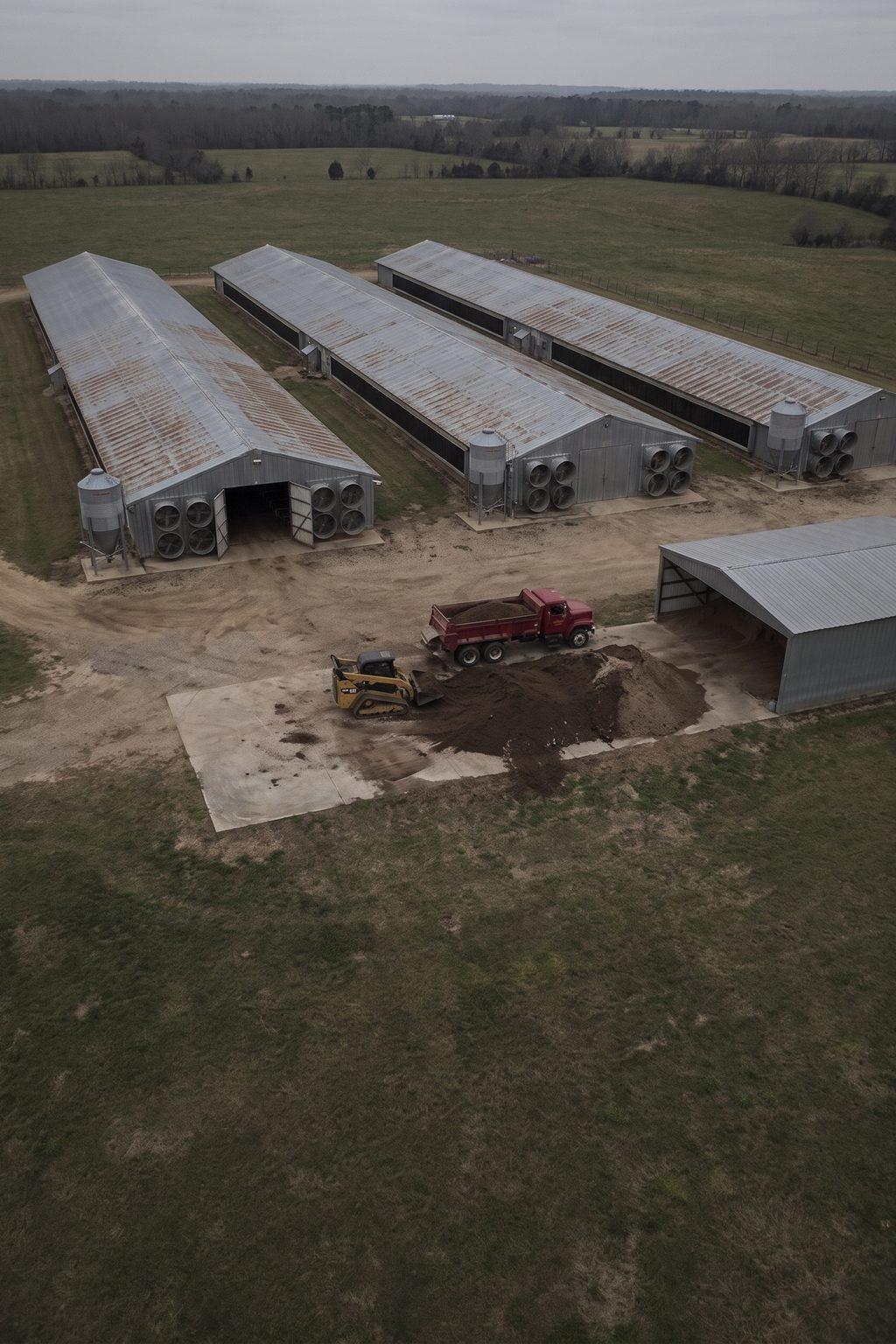
Poultry Producers
Litter, ammonia in the house, grain and corn pith clogging equipment.
Dairy
Lagoons, flush and scrape systems, parlors. Crust, fly pressure, storage capacity.
Products designed to solve specific problems
PitCharger products are formulated for specific manure-management problems. Depending on the product, formulations may include bacteria, enzymes, or other specific modes of action. Not every product works the same way, so we identify the problem first, then recommend the right product and treatment protocol.
Manure Digester
PitCharger's flagship product for monthly manure treatment. Contains up to 51 strains of bacteria.
Manure Digester details →LTC-E
Liquid treatment for higher-fiber manure and crusting, monthly or as an amendment when a crust needs extra help.
LTC-E details →Crust Digester
Powdered bacteria-and-enzyme product used during barn washout to soak into and break down manure crusts.
Crust Digester details →N-Loc
For maximum odor reduction. Addresses odor-producing compounds in the system rather than masking them.
N-Loc details →Feed Digester
For feed spills and concentrated organic material, including heavy grain buildup and feed islands.
Feed Digester details →






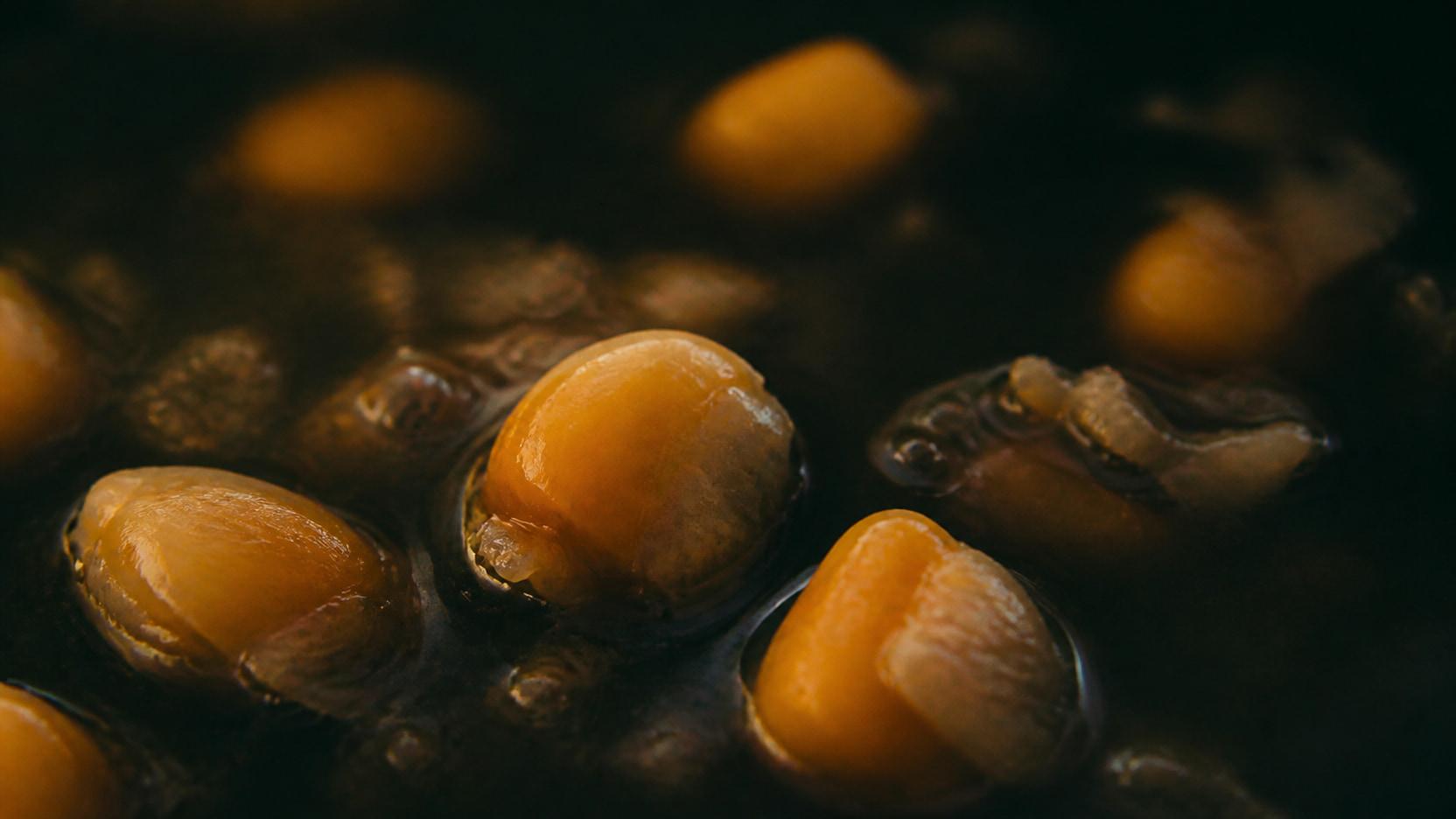

Pit foam is handled separately, because it needs a different diagnosis and treatment process. How we approach foam
What customers measured
Two documented accounts. We publish what we can source and nothing else.
“Since using PitCharger, we haven't had the crusting issue we previously experienced and flies are close to non-existent.”
Carl
Livestock producer, Mankato, Minnesota
Reported recovering approximately 200,000 gallons of usable lagoon capacity after treatment.
“Tests were very positive on the reduction of solids. Pits with additive showed significant reduction of solids compared to non-treated pits.”
Nick
Livestock cooperative, Central Iowa
What the studies reported
Both are the company's own account, credited to the institutions named. We have not seen the underlying documents and do not present these as independent findings.
~50%
Reduction in hydrogen sulfide, ammonia, and overall odor against untreated buildings
A year-long Iowa State/Farmland study, as reported by PitCharger, showed approximately a 50% reduction in hydrogen sulfide, ammonia, and overall odor compared with untreated buildings.
Reported by PitCharger, crediting Dr. Bundy, Iowa State University and Farmland.
$2,225
Annual reduction in medical costs reported alongside the study
A year-long health and welfare study involving 58,000 hogs showed a reduction in odor with the use of PitCharger, alongside a reported reduction in medical costs of $2,225 annually.
Reported by PitCharger. The company states it consulted Dr. Broderson of the University of Nebraska-Lincoln Veterinary Diagnostic Center as a result of the data.
~200,000
Gallons of usable lagoon capacity recovered, as reported by a producer in Mankato, Minnesota
1998
Solving manure problems for producers since 1998
45
States where PitCharger products have been used, plus Puerto Rico and three countries
From the barn
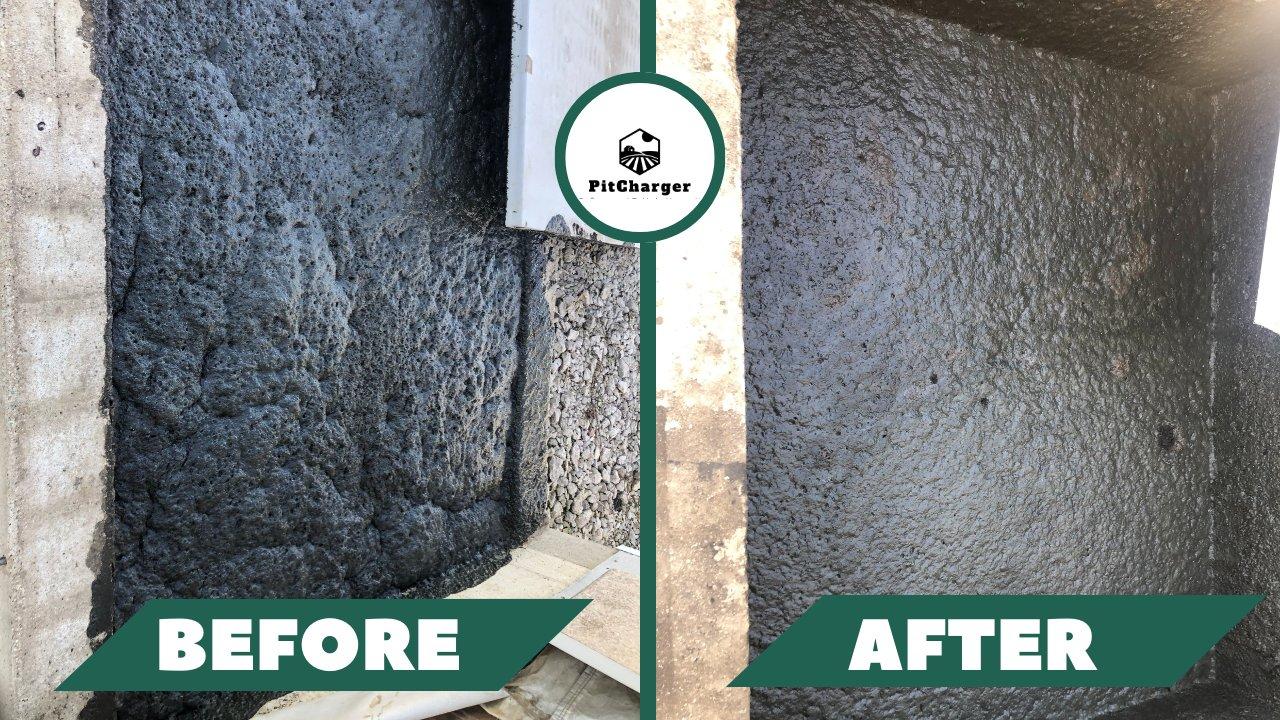
A pit that had crusted over, pumped down to under eight inches.
Tim Kremer of PitCharger on a customer's barn: solids that had built up on the bottom and turned into a crust, and what the barn looked like after treatment. Twenty loads out to the field this year, and the nutrients going with them.
If you have questions about crust, odors, or flies on your farm, call 888-231-1002. We will help figure out what is causing it.
Captions are burned into the video. About one minute.
How much would your operation need?
Put in your head count and manure structure and the calculator returns estimated gallons per month, a treatment timeline, and — if you know your pit volume — an estimate of the storage capacity sitting under your sludge.
Open the dosing calculatorThe right treatment starts with understanding your pit or lagoon.
We start by learning how your manure system is designed, what problem you are dealing with, and how you currently manage it. From there, we recommend the product, treatment rate, and application method that best fit the situation.
Different problems require different treatment approaches.